The Minority in Parliament has warned that Ghanaian businesses are being stifled by poor policy decisions, high costs, and limited access to credit, describing the situation as a reflection of deep “policy mismatches.”
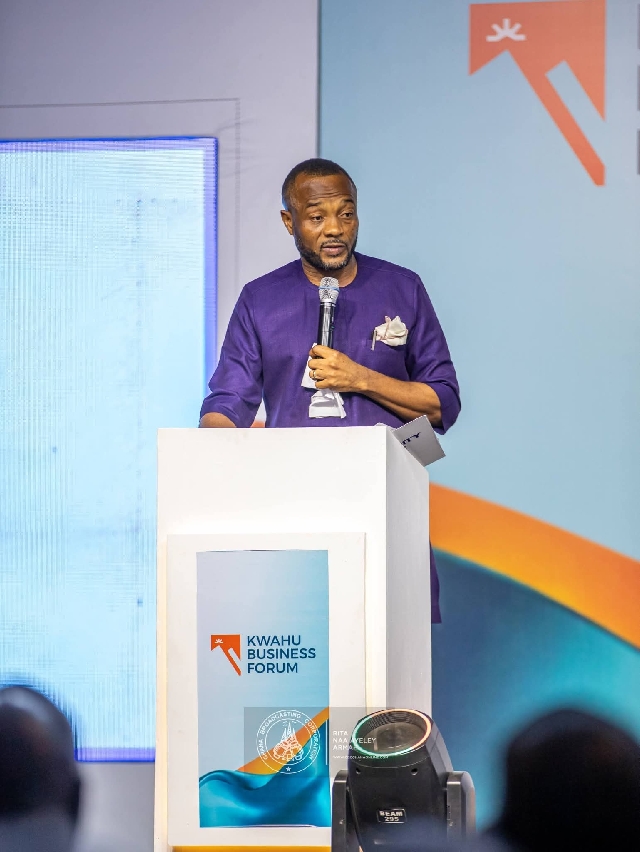
Speaking at the 2026 Kwahu Business Forum on behalf of Minority Leader Alexander Afenyo-Markin, Second Deputy Minority Whip Jerry Ahmed Shaib said many small and medium enterprises (SMEs) are effectively shut out of financing despite a benchmark lending rate of 10.70%.
“We cannot preach entrepreneurship while the system we preside over makes capital structurally inaccessible,” he stated.
He noted that between 60 and 80 percent of small businesses collapse within five years due to lack of affordable, long-term capital, warning that the financial sector is failing to support indigenous enterprises.
The Minority also criticized what it called a “crushing cumulative tax burden,” pointing to multiple overlapping taxes and rising utility tariffs that are forcing manufacturers to operate below capacity.
“This is not a market problem. This is a policy problem,” the statement emphasized.
Concerns were also raised about an AI-driven customs system at the ports, which the Minority says lacks transparency and a proper appeals process, leading to inflated duty assessments.
On governance, the caucus highlighted a persistent “consultation deficit,” arguing that businesses are rarely engaged before policies are implemented.
“This is not consultation. It is imposition,” Shaib declared.
In response, the Minority unveiled a seven-point reform plan, including mandatory pre-legislative consultation, tax reviews, scrutiny of the customs system, utility tariff assessments, and reforms to SME financing.
Shaib also called for the depoliticization of enterprise, cautioning against partisan labeling of businesses.
“The success of a business should never depend on which political regime is in power,” he said.