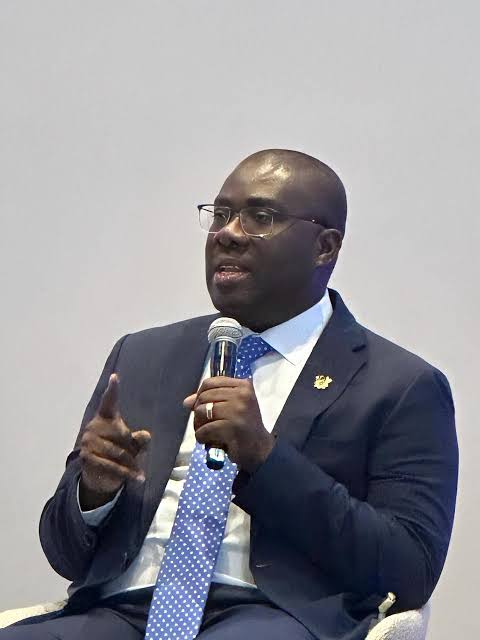
Member of Parliament for Akuapem North, Sammi Awuku, has questioned the government’s commitment to easing the burden of rising fuel prices, asking when Ghanaians will begin to benefit from the relief promised during the 2024 election campaign.
In a Facebook post, the New Patriotic Party (NPP) lawmaker expressed concern over the latest increase in fuel prices, saying consumers continue to bear the brunt of higher transport and living costs.
According to him, the National Petroleum Authority’s (NPA) new price floors for the August pricing window have pushed petrol to GH¢14.53 per litre and diesel to GH¢16.97 per litre, while some Oil Marketing Companies (OMCs) are already selling diesel for more than GH¢18 per litre.
Awuku acknowledged that fluctuations in global crude oil prices influence local fuel prices but argued that domestic policy decisions must also be scrutinised.
He recalled that when Brent crude prices previously declined, consumers did not enjoy corresponding reductions at the pumps, attributing the situation to the NPA’s price floor mechanism. He also referenced concerns raised by the Chamber of Petroleum Consumers (COPEC) over whether the pricing regime is delivering value for consumers.
The Akuapem North MP further reminded the government of the National Democratic Congress’ (NDC) 2024 manifesto pledge to use the Price Stabilisation and Recovery Levy to cushion consumers during periods of rising fuel prices.
He noted that instead of reducing the levy, government increased it by GH¢1 per litre in July 2025, despite repeatedly indicating that progress had been made in addressing energy sector debt.
“If government says it has made significant progress in clearing energy sector debt, then Ghanaians deserve to know when this levy will be reduced and when consumers will begin to feel the relief that was promised,” he stated.
Awuku maintained that while government cannot control international crude oil prices, it has a responsibility to explain how it intends to fulfil its commitments to reduce the cost of fuel and ease the financial burden on households.