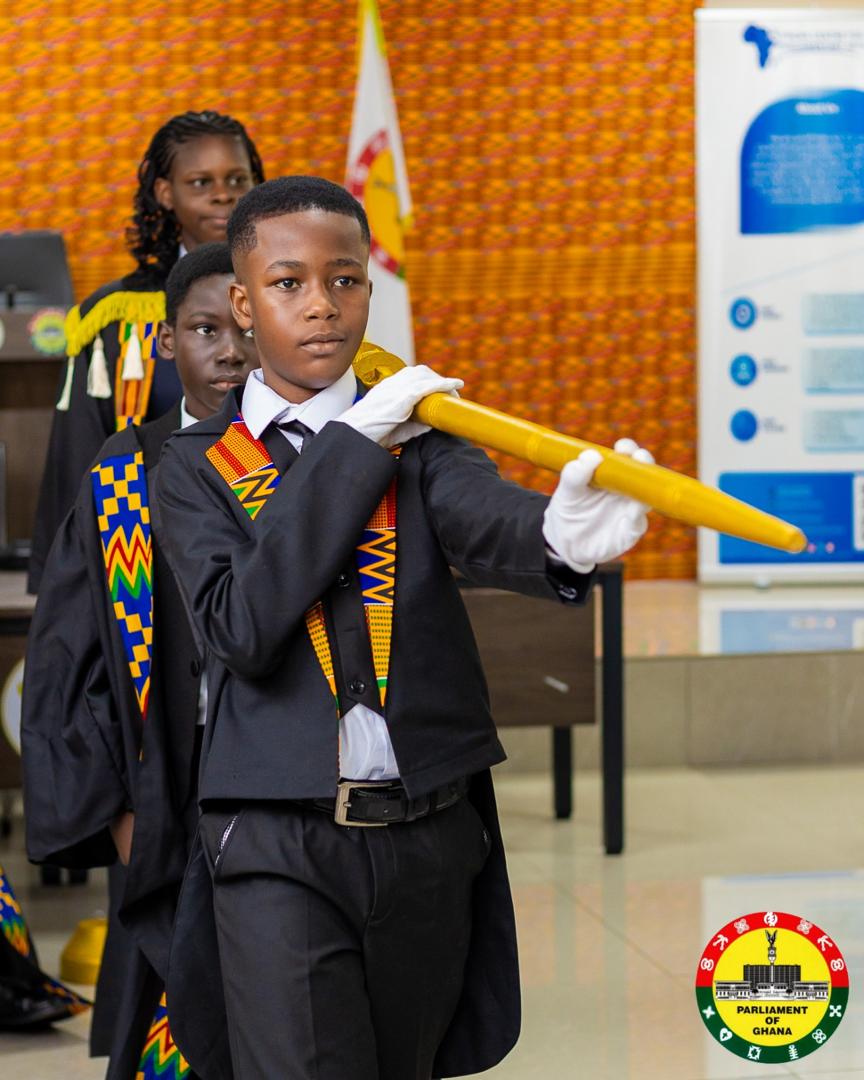
Accra, Ghana — The Parliament of Ghana has officially launched its maiden “Mini Parliament” initiative, a practical and interactive platform designed to give children a voice in national governance and decision-making processes.
The initiative is organized in partnership with the African Centre for Parliamentary Affairs (ACEPA), UNICEF, and the Learning Tree Foundation. It allows young citizens to step into the shoes of lawmakers to debate pressing national issues that directly affect their well-being.
Speaking at the launch at Parliament House, Hon. Helen Ntosu, Chairperson of the Parliamentary Committee on Gender, Children and Social Protection and MP for Krachi West, emphasized that governments can no longer isolate policy-making from the people.
“The era in which issues affecting underrepresented groups were addressed through policies initiated, implemented, and managed solely by governments is over,” Hon. Ntosu stated. She noted that today’s youth demand active platforms to influence decisions, reflecting Ghana’s growing commitment to transparency and public trust.
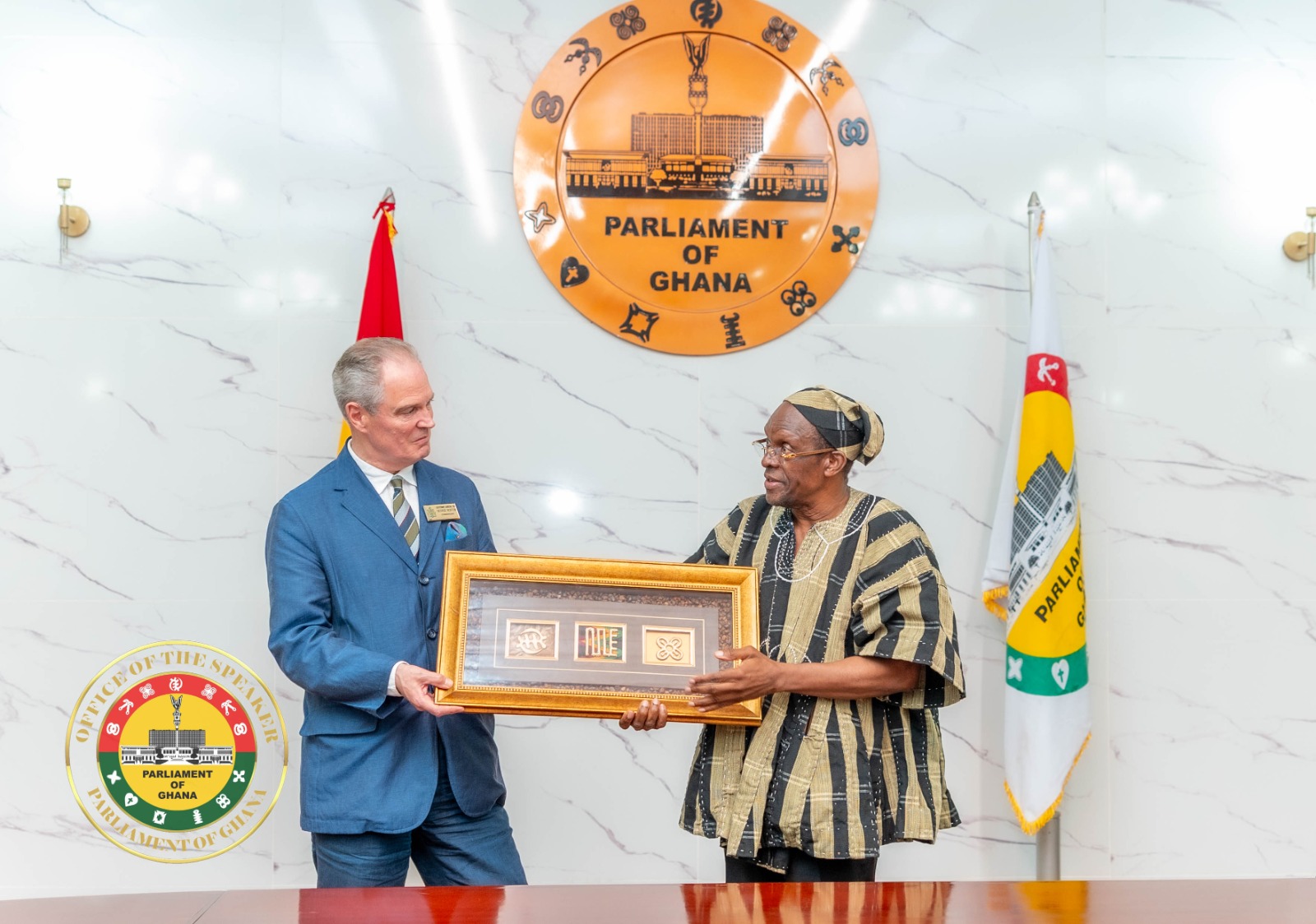
Ms. Paulina Sarvilahati, Chief Social Policy and Inclusion Officer at UNICEF, reminded the audience of Ghana’s historic legacy as the first nation to ratify the United Nations Convention on the Rights of the Child. She highlighted that child participation is a fundamental right.
“You deserve to be heard. You deserve to be protected. You deserve to go to school and achieve your dreams,” Ms. Sarvilahati told the participating children, encouraging them to fearlessly voice their opinions.
Ms. Kate Addo, Director of the Public Affairs Divisional Directorate, praised the children’s eloquence and confidence. She reminded them that future leadership is rooted in discipline, academic excellence, and personal responsibility.
The initiative directly addresses a gap in Parliament’s existing educational outreach. Superintendent (Rtd) Effia Tenge, Director of Public Engagement at the Parliament of Ghana, revealed that between 2023 and 2025, her department welcomed over 44,000 visitors. More than 70 percent of these visitors were primary and junior high school pupils.
Despite this high interest, Supt. Tenge noted that many young visitors struggle to grasp complex parliamentary procedures. The Mini Parliament solves this by providing an active learning experience.
Dr. Rasheed Draman, Executive Director of ACEPA, praised the initiative for nurturing civic responsibility early, ensuring that the “Ghanaian of tomorrow” is fully equipped to contribute to national progress.
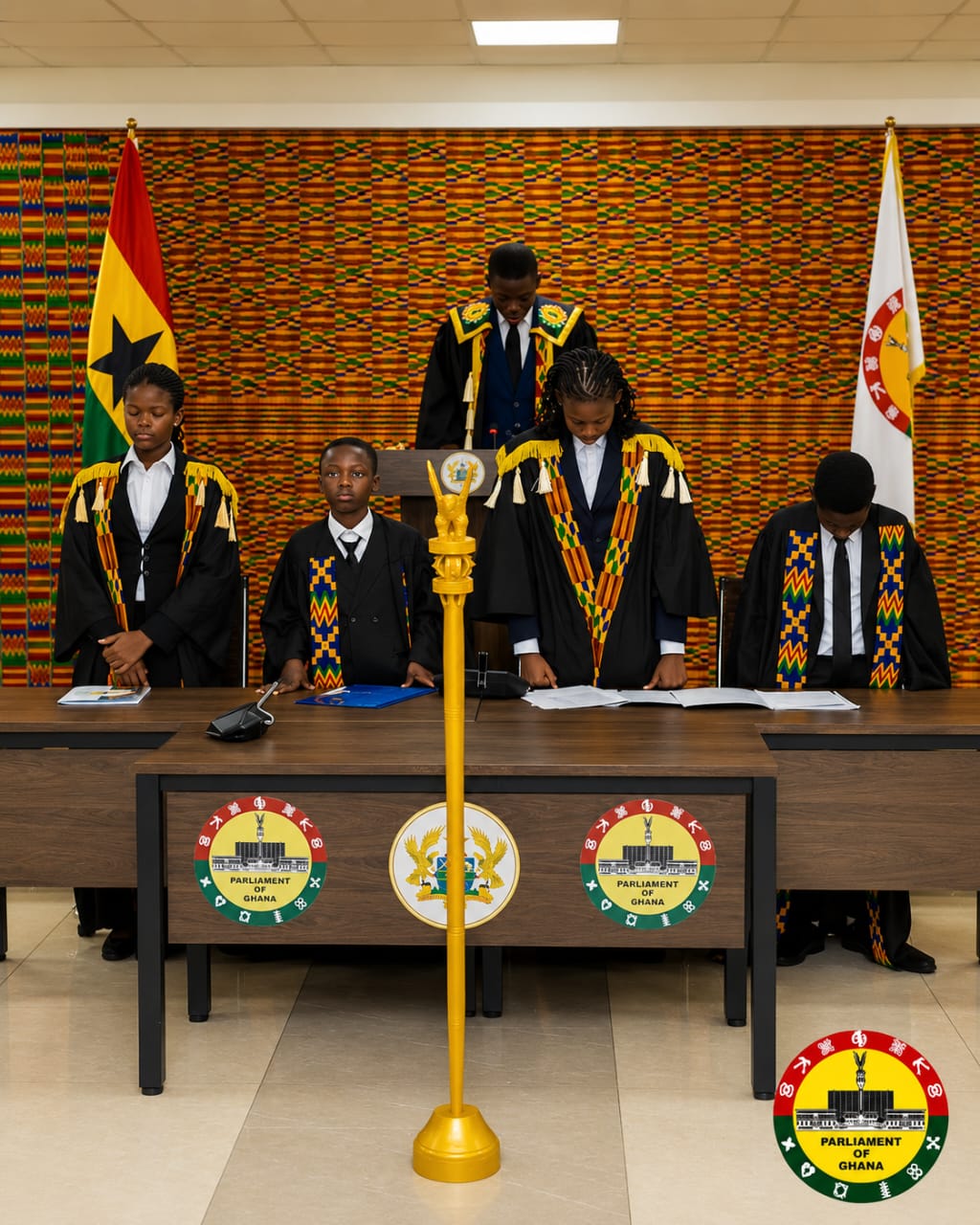
During the inaugural sitting, the youth parliamentarians debated the “Responsible Use of Technology by Children.” The session focused heavily on digital responsibility and mental well-being.
To provide practical context, officials from the Cyber Security Authority attended the sitting to educate the children on internet safety, data privacy, and how to combat cyberbullying.
Supporting the initiative, Manye Naa Badu Diaba I, Queen Mother of the Dzorwulu Abelemkpe Subdivision Stool, urged the children to pair this governance training with strong moral values and respect for guidance from parents and teachers.