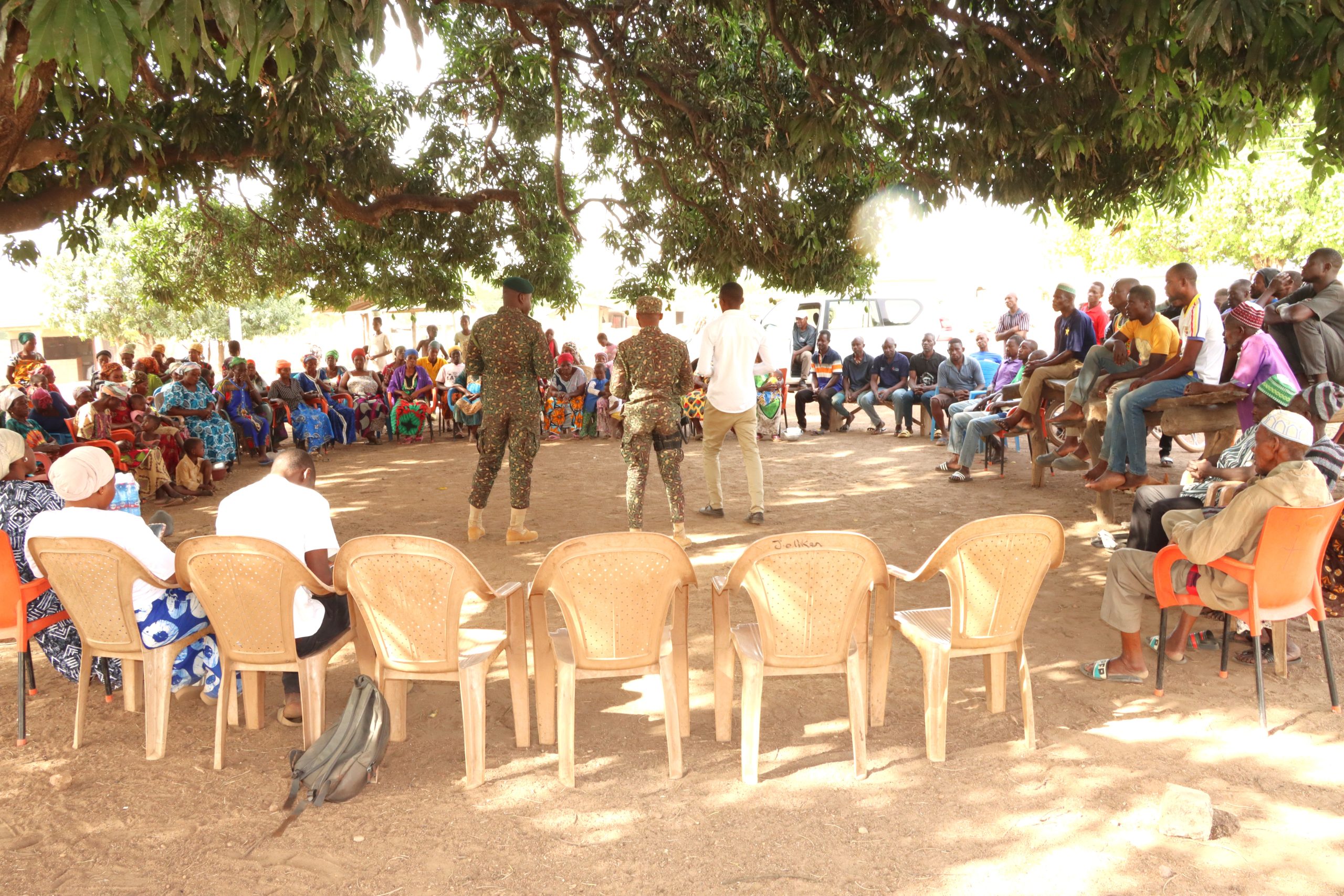
Imagine sitting in a community dialogue designed to foster peace, only to hear a participant or two, vent with bone-deep passion, describing your people, your family, your ancestors, you as animals.
In that moment, the human instinct is to strike back with the sharpest banter possible. But for many Fulbe, numbness has become a professional and personal necessity. We swallow the insult not out of a lack of pride, but for the sake of the very peace the meeting is supposed to protect. Sometimes, our own kinsmen wonder if we feel the sting at all. We do. But we have learned that in the pursuit of social cohesion, our silence is often the only thing keeping the room from exploding.
Professional Paradox
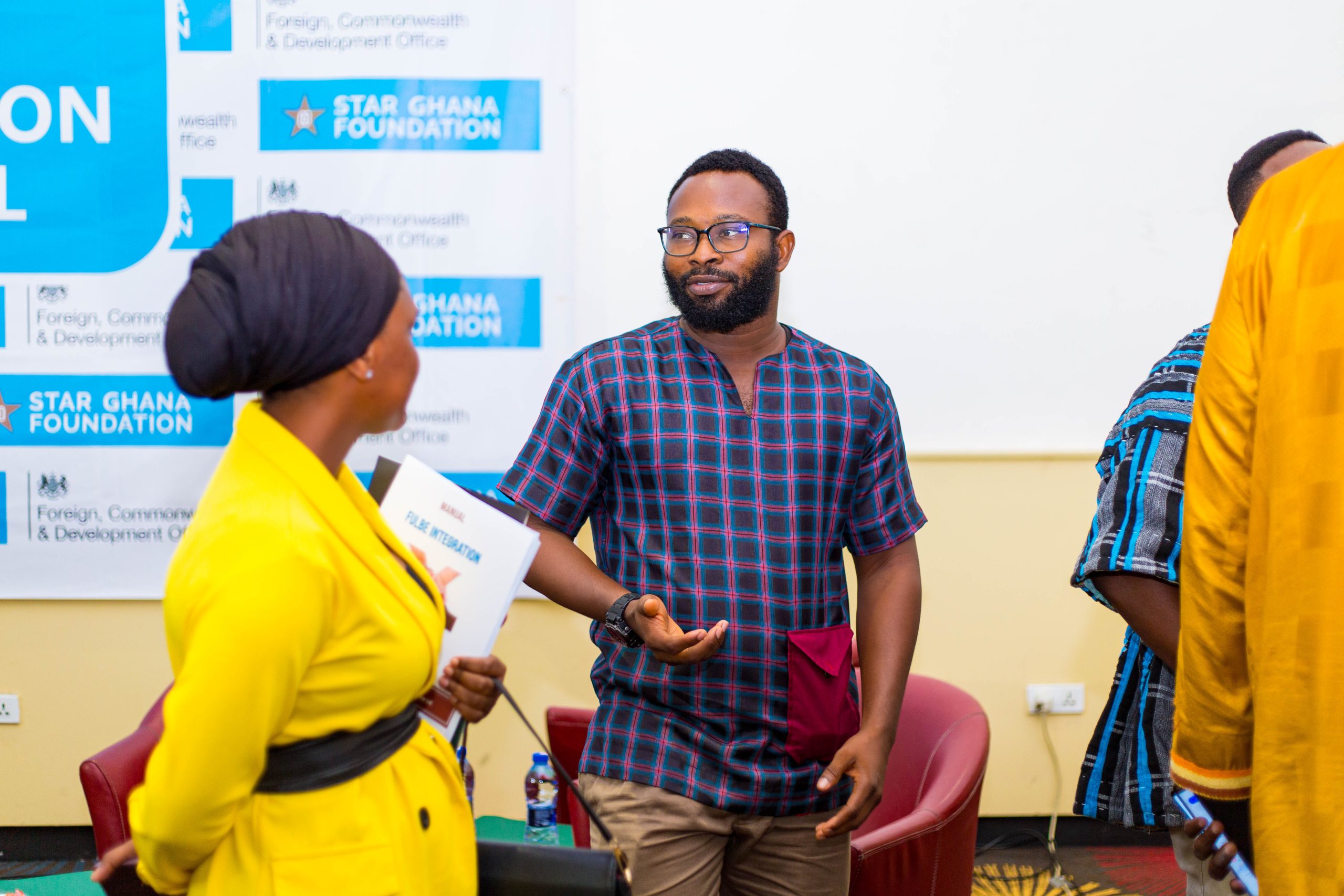
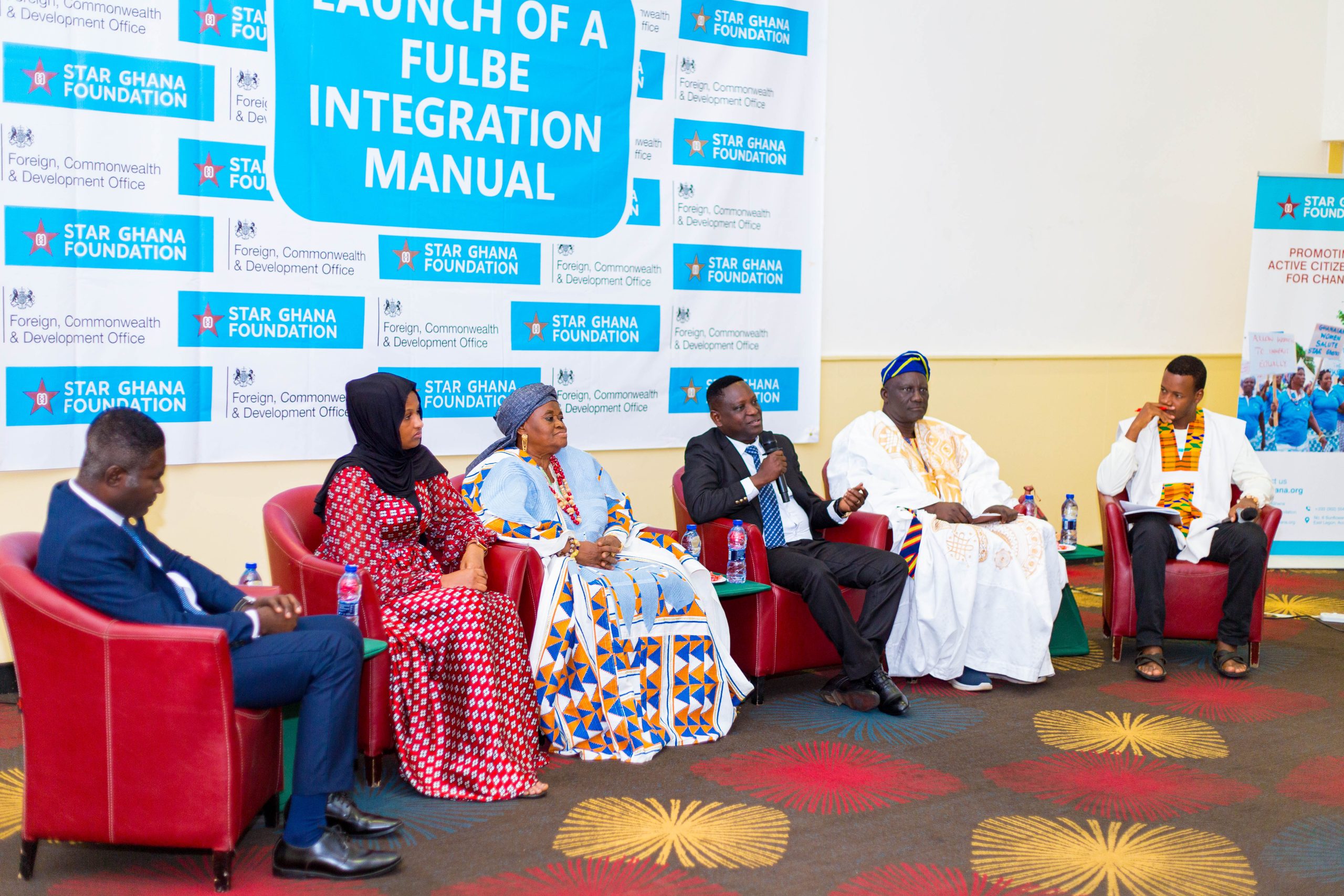
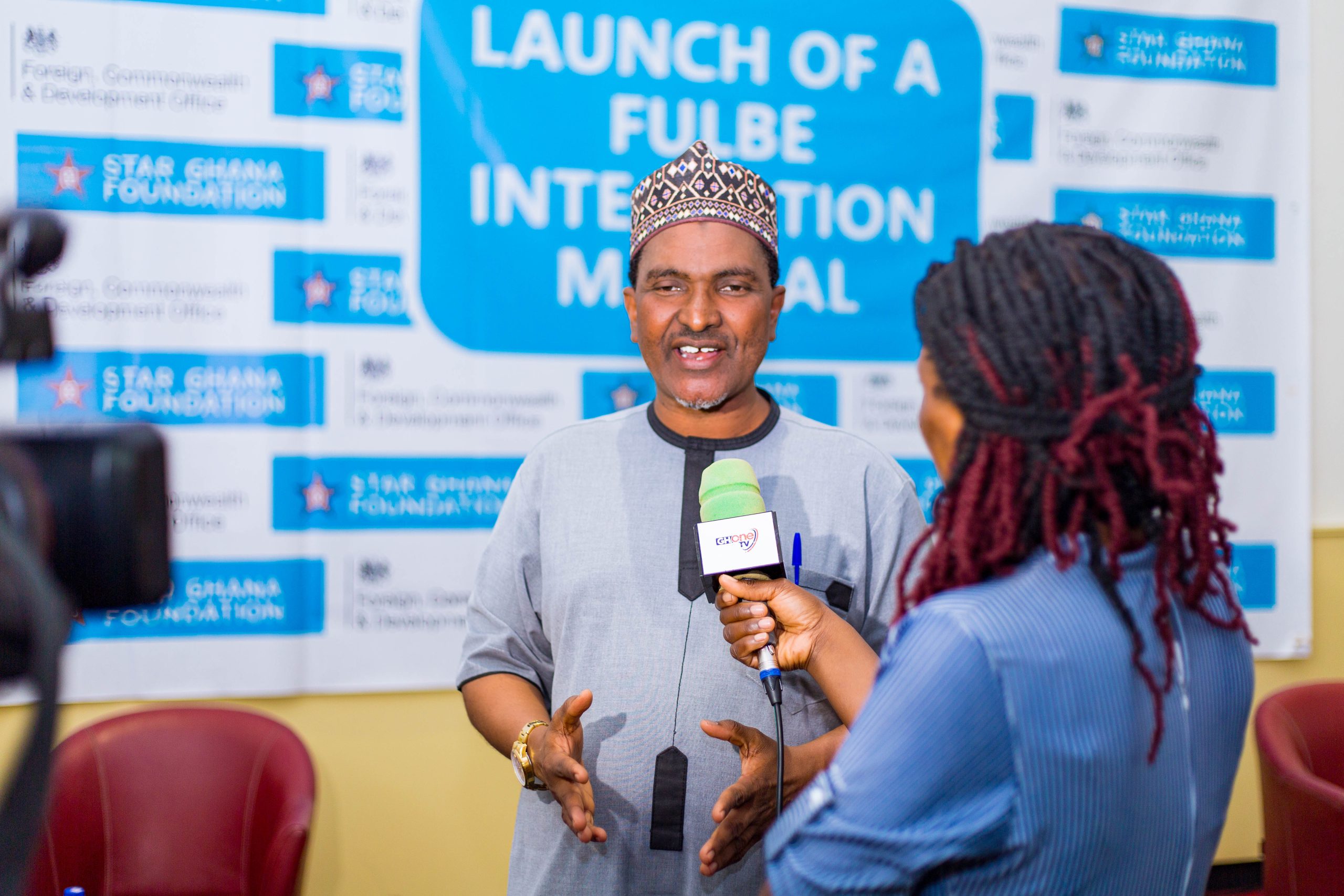
As a Communications Officer working at the intersection of rights, peace, and accountable governance, I occupy a unique and often painful vantage point. I sit in rooms where beautiful “Theories of Change” are mapped out on whiteboards or projected with beaming lights. I support dialogues centered on the Fulbe Integration Manual, a roadmap for harmony born from STAR-Ghana Foundation’s rigorous research.
Yet, in these spaces, I am a walking contradiction. I am the Officer supporting the progress, but I am also the “Other” the progress is trying to bring to the table to participate or solve.
Despite the data and the evidence-based strategies, the reality on the ground remains stubbornly resistant. And justifiably so, no Fulbe would be comfortable being in a space where she/he would be insulted. They will simply not participate, no matter how important the convening is.
We work tirelessly to weave a fabric of inclusion, only to watch it be unraveled by the very people expected to be its guardians. It leads me to a blunt, recurring question: Is this a failure of education, or a deliberate choice of scapegoatism?
Paradox of Integration
STAR-Ghana Foundation relies on evidence. Its perception surveys identified the root causes of marginalization: economic anxieties, land disputes, and a void where inter-ethnic dialogue should be. We turned these findings into a practical guide for diversity.
Problem solved! One would think, yet the paradox persists. I have watched community leaders, people who sat through every sensitization session stand up in public forums and spew venomous stereotypes. I have seen security personnel, the supposed arbiters of truth, amplify these biases, sometimes questioning the nationality of Fulbe in the community.
It seems the more we try to “integrate” the narrative, the more entrenched the opposition becomes. To be blunt: some of these actors exhibit extremist tendencies, fuelled by a refusal to see any side but their own.
Media Megaphone
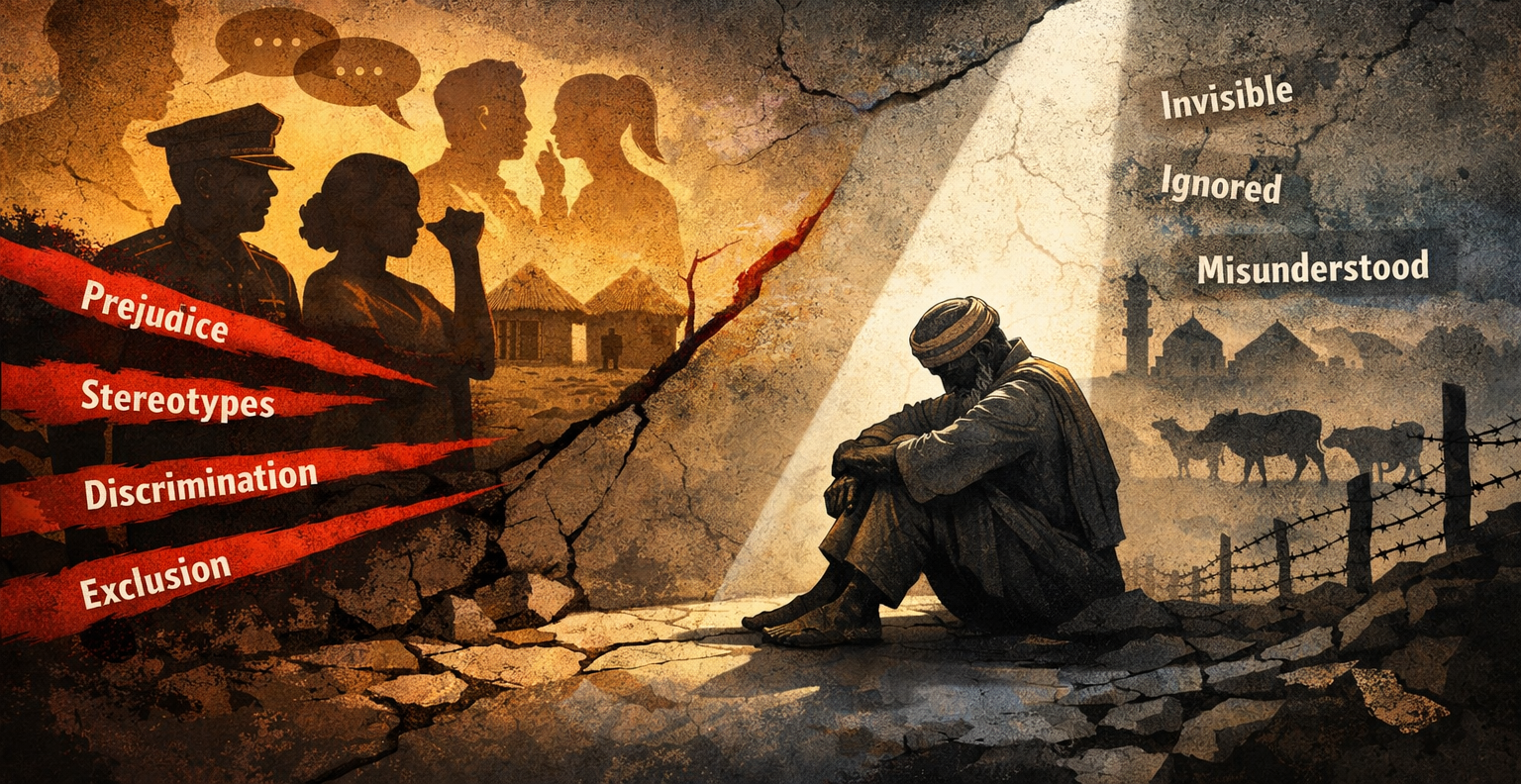
The media has become a megaphone for this polarization. Public discourse follows a tired, destructive script: the “wayward Fulbe herder” destroying crops. This narrative is so pervasive it has blotted out the sun of reality.
Are the Fulbe the only group with wayward tribesmen? Of course not. Crime and indiscipline are human traits, not ethnic monopolies. Yet, when a fence is broken or a cow strays, the verdict is reached before the facts are gathered. It is a “Fulbe conspiracy.”
Psychologically, it is easier to blame a visible minority for complex failures like climate change shifting grazing routes or poor land administration than it is to fix the system. The media, chasing clicks, often feeds the beast of prejudice rather than starving it with the truth.
Language of Dehumanization
As a communicator, I am trained to listen to the soul of language. Language is either the bedrock of peace or the dagger of conflict.
In some instances, i heard local leaders refer to Fulbe as “animals” during a sensitization meeting. My coping mechanism kicked in; I tried to tell myself it was just ignorance. But my colleague, sensing the gravity, immediately flagged it as a safeguarding issue, demanding a retraction and an apology before the meeting could proceed.
As if being likened to livestock wasn’t enough, you have officers of state security agencies demanding answers to where the Fulbe “came from” and if they had “proper documentation,” despite many of us being born and bred on this soil. In moments like that, I want nothing more than to walk out. But for a Fulbe man in my position, leaving isn’t an option.
Will Over Education
We must confront the hard truth: this is not a lack of education. It is a lack of will.
When educated people choose to polarize, they are making a conscious decision. They prefer the comfort of the “in-group” over the justice of the whole. The Fulbe Integration Manual is a powerful tool, but tools are useless if the hand holding them is clenched in a fist. Until we challenge the social and political capital gained from bashing minorities, these manuals will simply gather dust.
A Reflection for the Road
My work is a constant battle between the data of hope and the reality of despair. I believe in accountable governance. I believe inclusion is possible. But it will remain a pipe dream as long as one section of the population is treated as a permanent punchline and an eternal suspect.
To my colleagues in the media: Look beyond the breaking news. Tell the stories of Fulbe professionals, students, and peaceful neighbours. Humanize us, because your headlines are currently doing the opposite.
To community members holding onto prejudice: Look at your neighbour, not the label, but the person.
Our shared humanity is more expansive than our differences. Until we choose to see that, our dialogues mean nothing, and social cohesion will remain a privilege for the few rather than a right for all.
Writer: Papisdaff Abdullah Ali (Fulani)