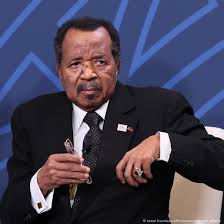
The date was October 12, 2025. Cameroon held a presidential election to determine the future of a country long ruled by a single man, Paul Biya, 92, who has been in power since 1982.
The campaign that preceded that day, however, was anything but typical. There was more than just listening to speeches in the towns and villages of the ten regions. You witnessed history and symbolism in action. An even stranger scene developed as Biya’s campaign sprang up billboards, posters, banners, and his face everywhere statues and effigies of the candidate appeared in locations where he was rarely seen.
One report claims: “Biya’s face is plastered on streets and buildings, transforming the colonial capital into a shrine of Biya’s personality cult. ” We are in the northern city of Maroua. The rally will begin at 10 a.m., which is unusual for a candidate who makes few public appearances.
In fact, Biya’s first major campaign appearance came only five days before the election, in front of a stadium crowd.
Life, however, appeared to be playing out a different script across the region. In places where Biya was unable to appear in person, a statue of him did.
It arrived in a convoy, stood on a makeshift stage, or was carried into a plaza where fans were dancing, taking selfies, and waving flags.
Wondering if the man was running or if it was his reflection, onlookers gasped . It was stated clearly in one tweet.
The people are cheering as presidential candidate Paul Biya sends his statue to his campaigns since he is unable to attend in person due to old age.” The effect was surreal. The statue became a substitute, a physical representation of power, continuity, and the impossibility of change. It posed, smiled, and waited for applause. But in its stillness lay the question: if the campaign is based on image, who is the true candidate?
Opposition Murmurs and
Meanwhile, the main challenger, Issa Tchiroma Bakary, had broken away from the government and sought to capitalize on youth discontent, economic frustration, and a desire for renewal. Officially, the campaign lasted from September 27 to October
The ruling party flooded during this period. images of Biya in public life, such as statues, effigies, and a constant story of “Greatness & Hope.” The spectacle highlighted a deeper tension for many citizens, particularly the younger generation the desire for someone who could show up and the perception of a leader who is resistant to change.
not in statues but in person.
The votes were cast on October 12. Tchiroma received 35.19 percent of the vote, while Biya received 53.66%, according to the official count.
The tally triggered protests, allegations of fraud, particularly given that the regime had weakened or excluded a number of significant challenges The statues were still there in the aftermath, but there was disagreement about what they stood for. Some saw them as embodying stability, while others saw them as hollowed out echoes of a leader whose image loomed large despite his sparse physical presence. Selfies, statues, and rallying crowds all posed the same query is an image enough in the absence of presence?
Story by: Benedict Kwabena Wiafe Annor