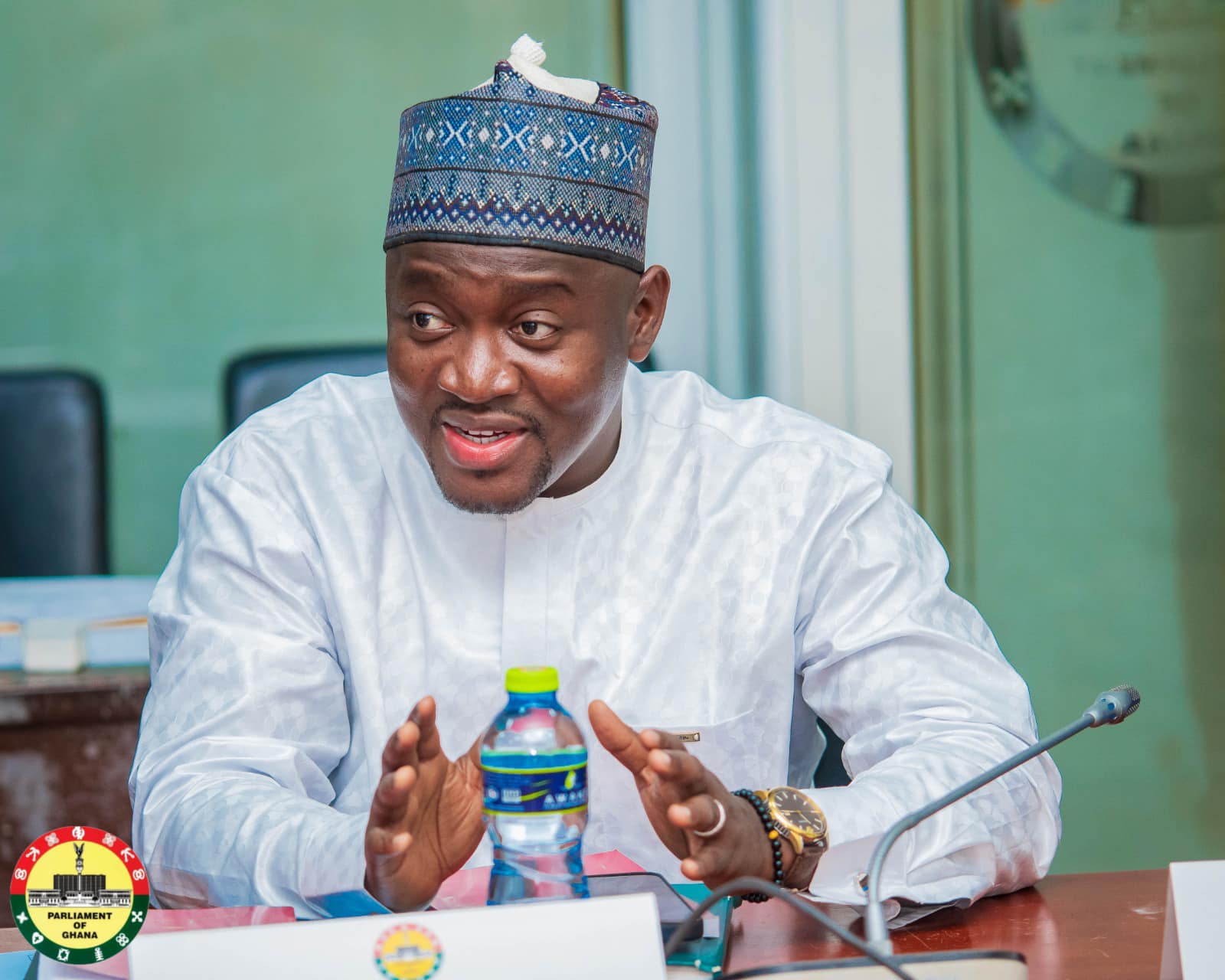
Deputy Minister of Roads and Highways and Tamale North MP, Alhassan Suhuyini, has questioned the NDC leadership’s role in addressing the perceived disconnect between the governing party and the Mahama administration.
In a Facebook post, Mr. Suhuyini acknowledged concerns among party members about the widening gap, saying he had also experienced it in his constituency.
“There’s some merit to that claim; I feel it in my constituency too,” he stated.
He argued that since the party leadership secured the opportunity to influence appointments at the local government level, it must take responsibility for ensuring that its appointees strengthen the party’s grassroots structures.
He recalled that the party selected Metropolitan, Municipal and District Chief Executives (MMDCEs) and regional ministers, while President John Dramani Mahama appointed fewer than 40 ministers, alongside some chief executives and board members.
Mr. Suhuyini further pointed to increased financial allocations to district assemblies, saying they received more than GH¢6 billion in 2025 and about GH¢5.7 billion by the third quarter of 2026.
He put the total resources allocated to local government over the two years at more than GH¢11 billion.
Against this background, he questioned whether party leadership had established mechanisms to guide and monitor the appointees it selected.
“Shouldn’t party leadership have designed a system for orienting and monitoring those they secured appointments for at the local level, to ensure the proper use of the resources the government puts at their disposal, and to bridge the so-called historical disconnect that always seems to exist between the government and the party?” he asked.
He also questioned whether the party had organised orientation programmes for the appointees.
“Did the party ever organize an orientation for the appointees it selected? After all, all politics is local,” he added.
Mr. Suhuyini suggested that some party officials who remained in party positions might be seeking to take over government responsibilities instead of collaborating with their colleagues in local government.
“Would I be wrong, therefore, to conclude that the seeming disconnect may be because some who chose to remain and serve at the party level subtly wish to take over the government, instead of truly working with the comrades they appointed at the local level,” he questioned.
He acknowledged that his intervention could be interpreted as an attack on the party, but insisted that his intentions were constructive.
“I mean well, but I fear it may come across as war,” he wrote.