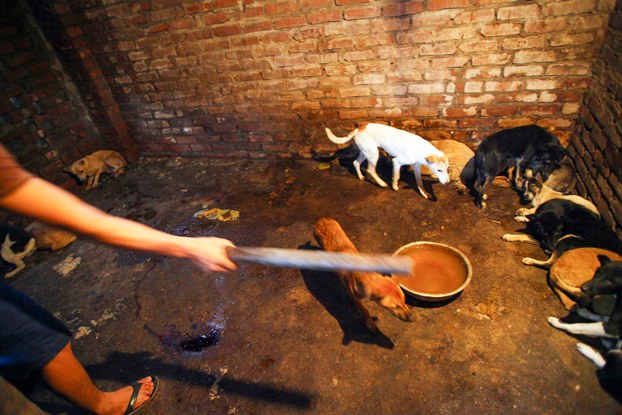
A call by the Institute of Community Sustainability (ICS) for Ghana to prohibit the consumption of cats and dogs has reignited debate about public health, animal welfare and food safety. The advocacy follows a report carried by AccraNewsOnline urging immediate government action to curb the practice.
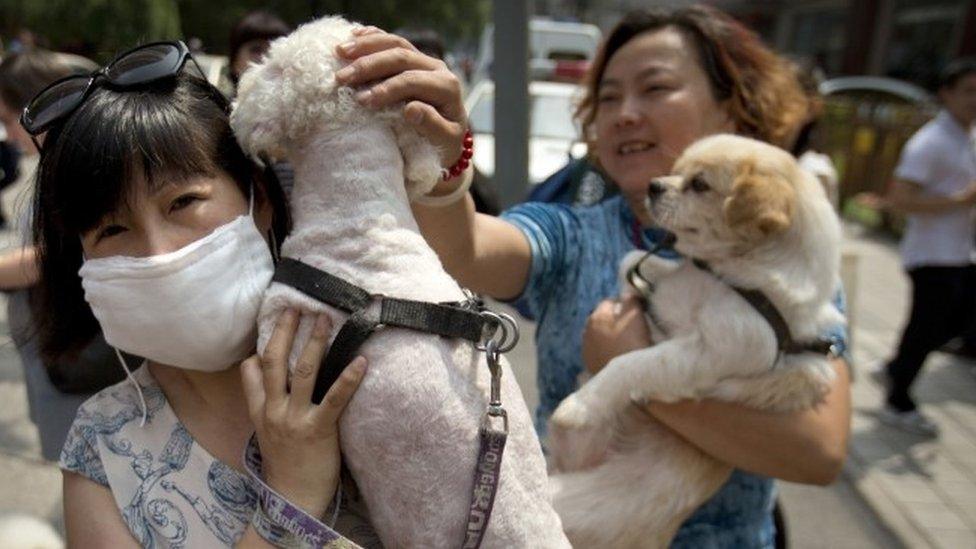
Across the world, especially in parts of Asia where dog and cat meat consumption has historically existed, governments and civil society groups have intensified efforts to restrict or end the trade. Campaigners say the momentum reflects changing cultural attitudes, public health concerns — including rabies risk — and growing recognition of companion animals’ welfare.
Asia: Laws tightening and attitudes shifting
In April 2017, Taiwan became the first country in Asia to formally ban the sale, purchase, and consumption of dog and cat meat by amending its Animal Protection Act. Offenders face fines up to 250,000 Taiwan dollars (approx. $8,200), and those who slaughter or harm these animals face prison sentences up to two years.
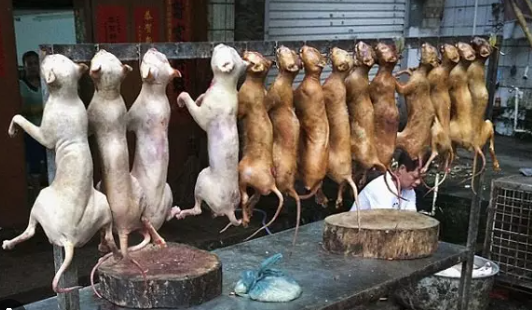
In South Korea, January 9, 2026 marked two years since a national ban on dog meat was passed. Public records and monitoring by animal-welfare groups indicate that enforcement has already led to the closure of 1,204 dog farms — about 78 per cent of those operating when the law was adopted — down from more than 17,000 farms roughly a decade ago. The ban is scheduled to come fully into effect in February 2027, completing a phased transition for farmers and traders.
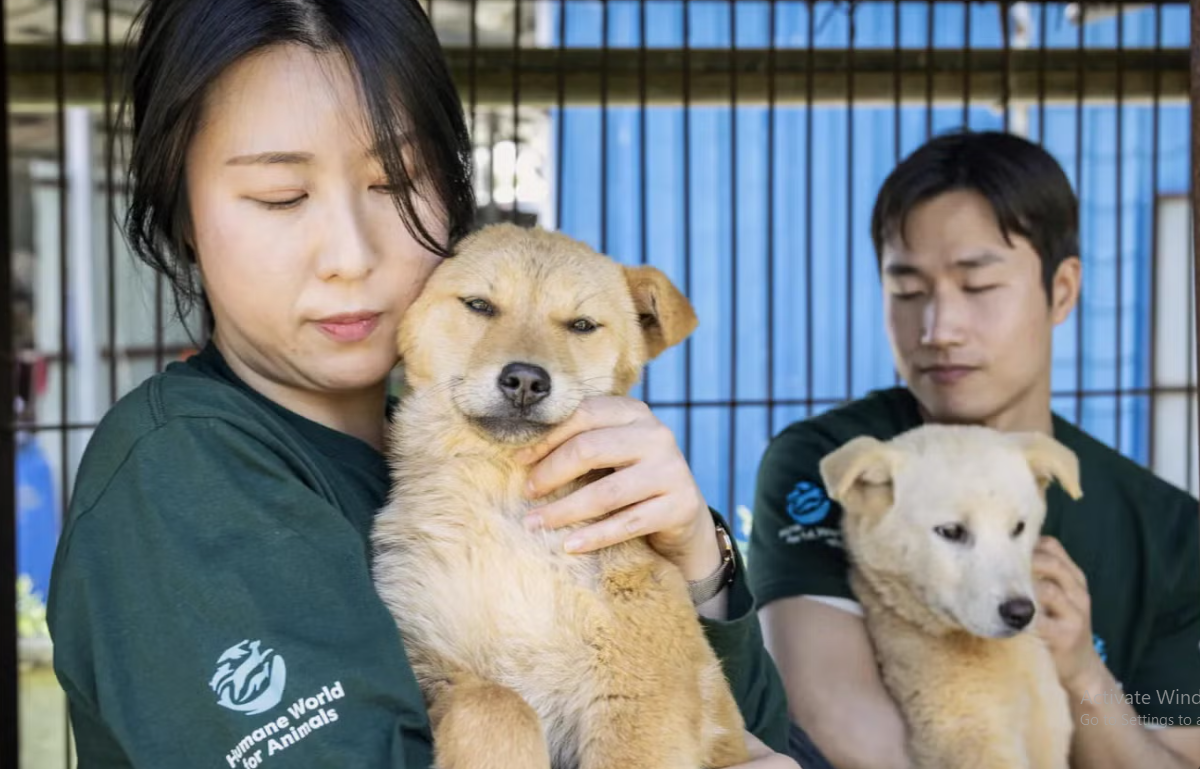
In China, local surveys and advocacy campaigns point to growing public opposition to the dog and cat meat trade. In the northeastern city of Dalian, a recent survey found overwhelming support for companion-animal protection legislation and for banning dog and cat meat within the city. Advocacy group Vshine has submitted a legislative proposal which, if adopted, would make Dalian the third city in China to formally prohibit the trade.
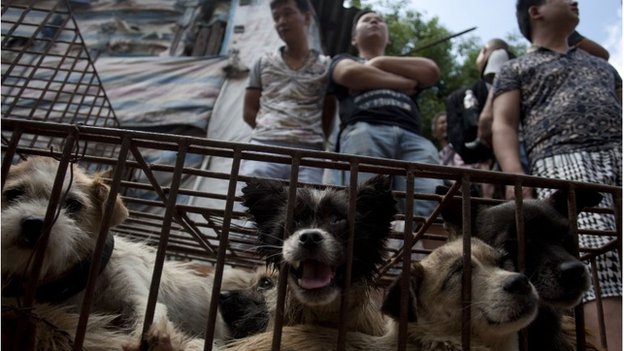
Further south in Yulin — known for its annual summer dog-meat festival — civil society monitoring indicates waning local support for the event. A global petition endorsed by more than 180,000 advocates has called on provincial and municipal authorities to shut down the dog and cat meat trade in Guangxi and Yulin, reflecting sustained international pressure.
Elsewhere in Asia, governments are weighing reforms and enforcement measures:
-
In India, authorities in the northeast are intensifying action against the illegal cross-border dog-meat trade, with reports indicating thousands of dogs are sourced from Assam and transported to neighbouring states.
-
In Indonesia, a bill proposing an explicit ban on the dog and cat meat trade — backed by four major political parties including the ruling party — is due for parliamentary debate this year.
-
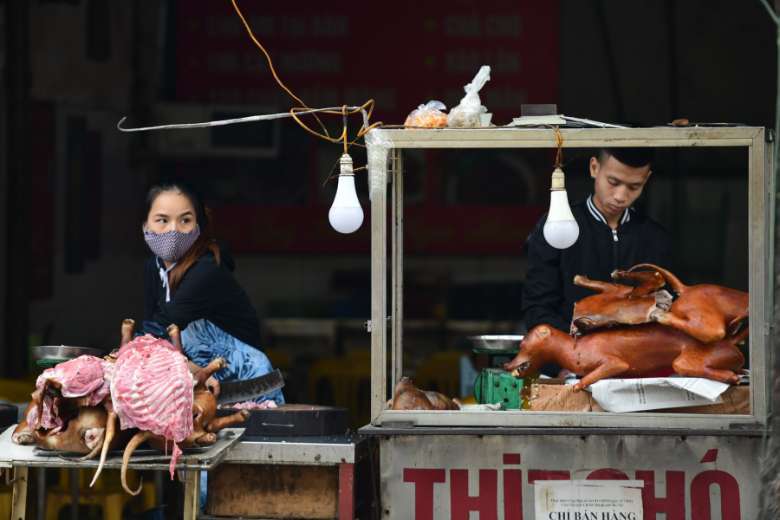
In Viet Nam, provincial authorities in Dong Nai province are strengthening controls to curb cross-border transportation of dogs and cats for meat. In Thai Nguyen, activists are expanding public-awareness campaigns on rabies risks linked to the trade, while officials in Ho Chi Minh City are discussing a potential three-year partnership to address dog and cat meat supply chains in the metropolis.
Campaigners across the region say younger generations are leading a cultural shift, with more households adopting companion animals and public opinion increasingly favouring legal protections for animal welfare.
Africa: Patchwork laws and rising scrutiny
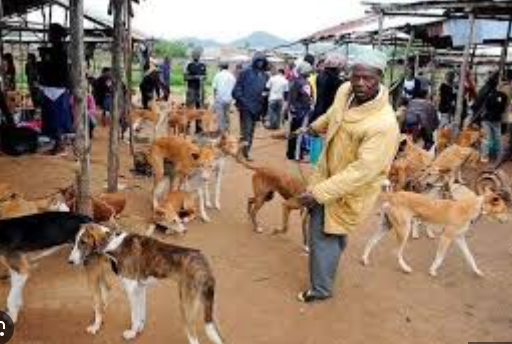
Across Africa, legal approaches to dog and cat meat vary widely, with few countries having explicit nationwide bans. However, animal-welfare organisations report growing scrutiny of the trade due to public-health risks, zoonotic disease concerns and urbanisation. In Nigeria and Cameroon, for example, civil society groups and veterinary associations have stepped up campaigns highlighting rabies transmission risks and the welfare implications of unregulated slaughter and transport.
In Ghana, the ICS says the absence of clear national restrictions leaves gaps in consumer protection and animal-welfare enforcement. Advocates argue that Ghana can draw on experiences from Asia, where phased bans, farmer transition programmes and public-education campaigns have helped reduce the trade while addressing livelihoods.
What the global trend signals for Ghana
Animal-welfare groups point to three recurring factors behind successful reforms:
-
Political will — legislative action backed by enforcement timelines;
-
Public education — sustained awareness on health risks and humane treatment of animals;
-
Transition support — alternative livelihoods for those exiting the trade.
Advocates note that recent reports on South Korea’s phased ban demonstrate how coordinated policy, shifting social values and partnerships between government and civil society can deliver measurable change. They argue that similar frameworks could inform Ghana’s policy options if authorities choose to act on ICS’s call.
As the debate gathers pace locally, campaigners say Ghana’s next steps will determine whether the country aligns with a growing global movement towards companion-animal protection and public-health safeguards.