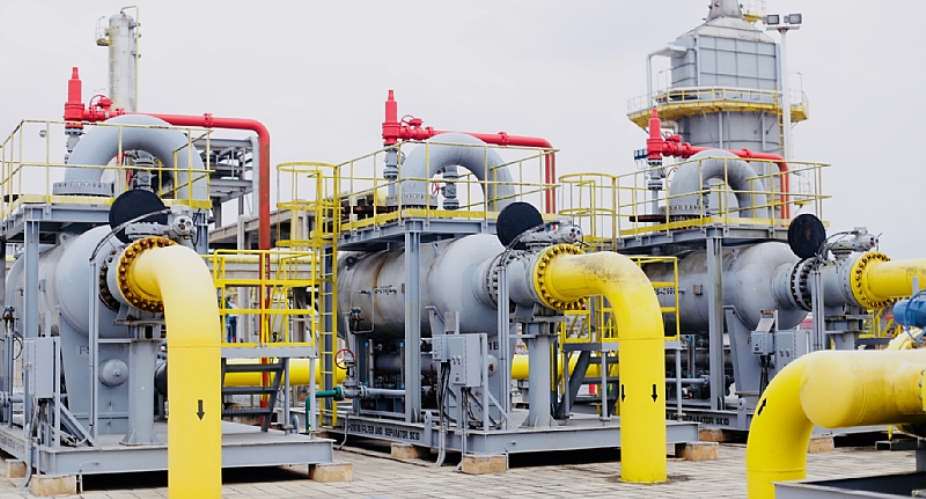
The Center for Environmental Management and Sustainable Energy (CEMSE) has called for a review of Ghana’s existing petroleum mooring exclusivity arrangement, warning that the prolonged delay in developing an alternative discharge facility poses risks to the country’s petroleum supply chain and energy security.
In a statement on Thursday, November 5, 2026, the organisation said a South African entity was reportedly granted an exclusive 15-year right to operate without a competing facility in 2015, leaving approximately three years before the arrangement expires.
CEMSE said the delay in developing alternative infrastructure raises concerns about investment and regulatory policy.
“The prolonged delay in developing an alternative mooring facility since 2016 raises important questions about investment facilitation, regulatory policy, infrastructure diversification and national energy security,” it stated.
The organisation noted that petroleum product supply increased from 3,528,583 metric tonnes in 2015 to 6,089,046 metric tonnes in 2025, representing about 73% growth, while the number of Bulk Oil Distribution and Export Companies rose from 37 to 53.
However, it said “mooring infrastructure has seen zero expansion in the period.”
CEMSE identified Ghana’s dependence on a single major petroleum discharge facility at Tema, which reportedly handles approximately 75% of petroleum products, as a major supply-chain concern.
It warned that the concentration of infrastructure exposes the country to vessel congestion, discharge delays and possible disruptions to petroleum deliveries.
“The infrastructure concentration exposes the downstream supply chain to operational vulnerabilities and underscores the importance of diversifying critical discharge infrastructure as part of the country’s broader energy security strategy,” it said.
The organisation acknowledged that other discharge facilities and jetties provide supporting services but argued that their availability does not necessarily mean Ghana has sufficient alternative mooring capacity.
It called for a review of the existing exclusivity arrangement, an assessment of regulatory and institutional barriers, and a clear framework to facilitate private-sector investment.
CEMSE also urged government to incorporate alternative petroleum discharge infrastructure into long-term energy security planning, with defined investment priorities and implementation timelines.
“The time for a clear policy direction and decisive action is now,” it stated.