From October 1, 2026, motorists will face full enforcement under the TRAFFITECH-GH automated traffic monitoring system, with penalties ranging from GH¢60 to GH¢2,400 depending on the offence.
Under the penalty structure, one penalty unit is equivalent to GH¢12.
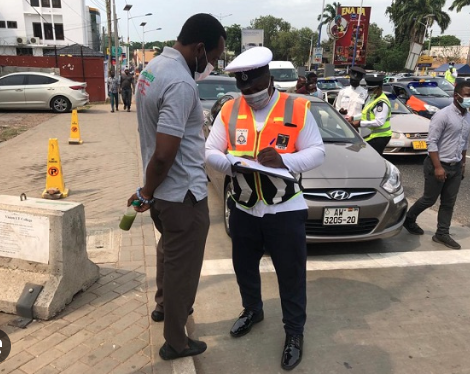
Among the offences being targeted are speeding, jumping red lights, using a phone while driving, drink or drug driving, illegal parking, unauthorised use of bus stops and taxi ranks, and disobeying traffic officers or traffic-control devices.
Motorists caught using a phone while driving could face a fine of up to GH¢600 and possible imprisonment of up to three months.
Drink or drug driving attracts some of the highest penalties, ranging from GH¢600 to GH¢2,400, with possible imprisonment of up to 40 months.
Speeding and street or drag racing could attract fines ranging from GH¢120 to GH¢300, while jumping a red light or failing to stop or yield could attract between GH¢120 and GH¢360.
Other offences covered include overtaking at pedestrian crossings, improper or double parking, parking in disability bays, railway crossing violations and unauthorised use of bus stops or taxi ranks.
There are also penalties for road activities such as hawking or preaching in moving trotros or buses, selling goods on roads or walkways, and washing or repairing vehicles on the road.
Operators of unauthorised Okada and Aboboyaa services could face fines of between GH¢600 and GH¢1,200, while riders could be fined between GH¢300 and GH¢600.
Repeat offences
Under the automated enforcement system, the penalties increase with repeated camera-detected offences.
The first, second and third offences attract a GH¢120 penalty each. The fourth offence attracts GH¢180, while the fifth attracts GH¢240.
A sixth offence within 24 months could result in the motorist being taken to court and having their driving licence suspended or revoked for at least 12 months.
Such a driver could also be required to undergo retraining and retesting before being allowed to drive again.
Importantly, notices for camera-detected offences will be sent to the registered owner of the vehicle.
This means vehicle owners could receive penalties for offences committed by people to whom they lend their vehicles.