China has been selected to host the 2029 World Conference of Science Journalists (WCSJ) following what organizers described as one of the most competitive bidding processes in the event’s history. The announcement was made at the closing ceremony of the 2025 conference in Pretoria, South Africa, where delegates from around the world gathered for a week of discussions on the future of science reporting.
China’s proposal, presented by the Chinese Society for Science and Technology Journalism, was chosen over a competing bid from Australia. Both teams showcased a variety of venues and demonstrated their ability to accommodate thousands of science journalists, researchers, and media professionals from their respective countries.
Tough Decision After Lengthy Deliberations
Ben Deighton, President of the World Federation of Science Journalists (WFSJ), announced the outcome of the recent selection process for the host of the 2029 World Conference of Science Journalists. He described the meeting as “long, complex, and highly engaged.”
“Our deliberations involved two exceptional bids, and it required over 20 hours for our Annual General Meeting (AGM) members to reach a consensus,” Deighton stated. “It is with great pleasure that I announce that the 2029 World Conference of Science Journalists will be hosted by China.”
Furthermore, Deighton emphasized that while the federation now comprises approximately 10,000 journalists globally, only 34 member organizations were able to be physically present at the AGM, with additional members participating remotely.
Chinese Delegation Celebrates Historic First
The leader of China’s delegation to WCSJ 2025, Ran Duan, said the win represented a “dream come true” for science journalists in China.
“You know, this is the first time the World Conference of Science Journalists is coming to China, so we’re very happy,” he said. “The bidding process has been like a marathon race, and now we can finally take a break and start another long march.”
He said hosting the conference would offer China a platform to share stories of its scientists and expand international collaboration.
“This is our science journalism dream and our Chinese dream — to create a platform that tells the true stories of Chinese scientists and promotes partnerships between China and the world, especially with Africa,” he added.
London Preparing for 2027
The next edition of the conference will be hosted in London in 2027. Chair of the Association of British Science Writers (ABSW), Alex O’Brien, said her team had been inspired by the high standards set in Pretoria.
“I hope that many of you will join us in London,” she said. “We’ve secured our venue and planned our initial ticket releases, but our main focus is on building global networks.”
O’Brien said the London team aimed to support journalists from diverse regions with grants, travel support, and visa assistance.
“What we’ve heard throughout this week is that collaboration is essential,” she said. “Regional issues should be told by regional journalists, and we want to help them reach wider audiences.”

Australia Praises Africa’s Leadership
Despite their unsuccessful bid, the Australian delegation expressed admiration for the 2025 host nation.
Carl Smith, Vice President of the Science Journalists Association of Australia, said the Pretoria conference offered a rich cultural and professional learning experience.
“This has been such a wonderful event,” he said. “It’s been incredible learning about the culture, traditions, history, and people here in South Africa, and the unique way that science journalism happens in Africa.”
He praised the Local Organising Committee (LOC) for delivering a well-structured set of workshops and panel discussions.
“It’s been wonderful to celebrate African science journalism, which is very impressive,” he added.
Local Organisers Reflect on a High-Impact Conference
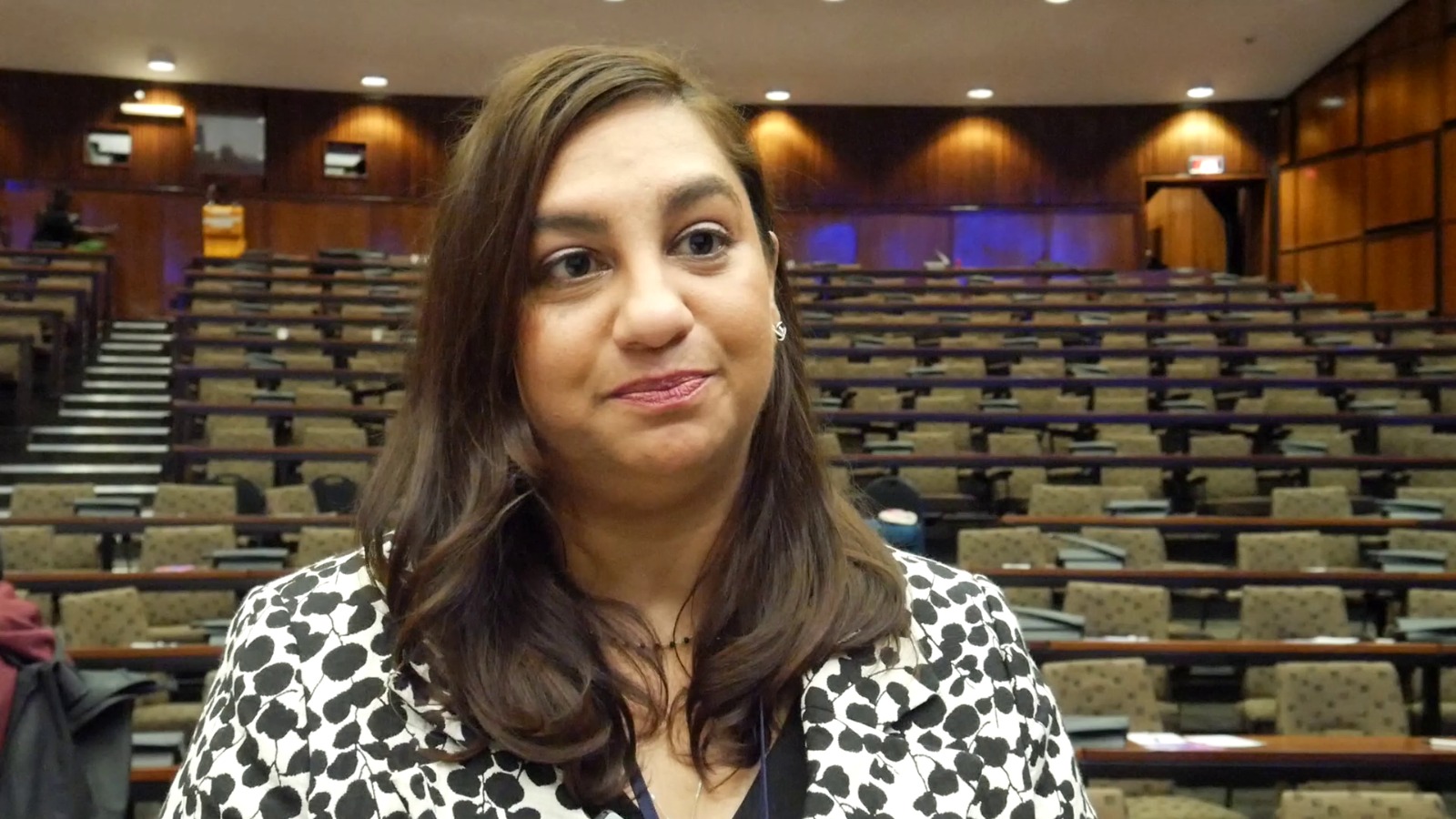
Members of the Pretoria LOC said they were proud of the standard set during the gathering. Serusha Govender, a committee member and contributor to Chatham House and Women in Tech Network, said delegates had commended the depth and quality of the programme.“We’ve definitely set a very high standard,” she said. “Delegates have told us they’re impressed not just with the programme but with the quality of the presentations.”
Govender said the Pretoria conference expanded diversity by bringing in more countries, more indigenous reporters, and a wider range of storytelling perspectives. “I think we’ve changed the conversation going forward,” she said. “People will expect London to include as many diverse writers and perspectives as possible.”
Momentum for African Science Journalism
Conference Director Engela Duvenage said the week sparked “transformative conversations” about how science journalism could advance resilience and social justice across the continent.
“Delegates gained tools to elevate African perspectives on areas such as food security and climate equity,” she said, thanking South Africa’s Ministry of Science, Technology, and Innovation, Prof. Blade Nzimande, the Science Diplomacy Capital for Africa (SDCfA), and the Council for Scientific and Industrial Research (CSIR) for their support.
Lynne Smit, Senior Editor at Nature Africa and LOC member, said the event highlighted the importance of inclusive storytelling in global science journalism. “Featuring 199 speakers, WCSJ 2025 has proven indispensable for strengthening African journalism’s global voice,” she said. “It ensures marginalised stories shape international agendas.”
Looking Ahead
Organised by the South African Science Journalists’ Association (SASJA) in partnership with SDCfA and the CSIR, the Pretoria conference concludes on 5 December with final plenaries, awards, and a joint call to action for resilient journalism.
As the baton passes to London for 2027 and now Beijing for 2029, delegates say the global science journalism community is entering a new era defined by collaboration, diversity, and the widening of regional voices into global conversations.
Story by: Noah Nash