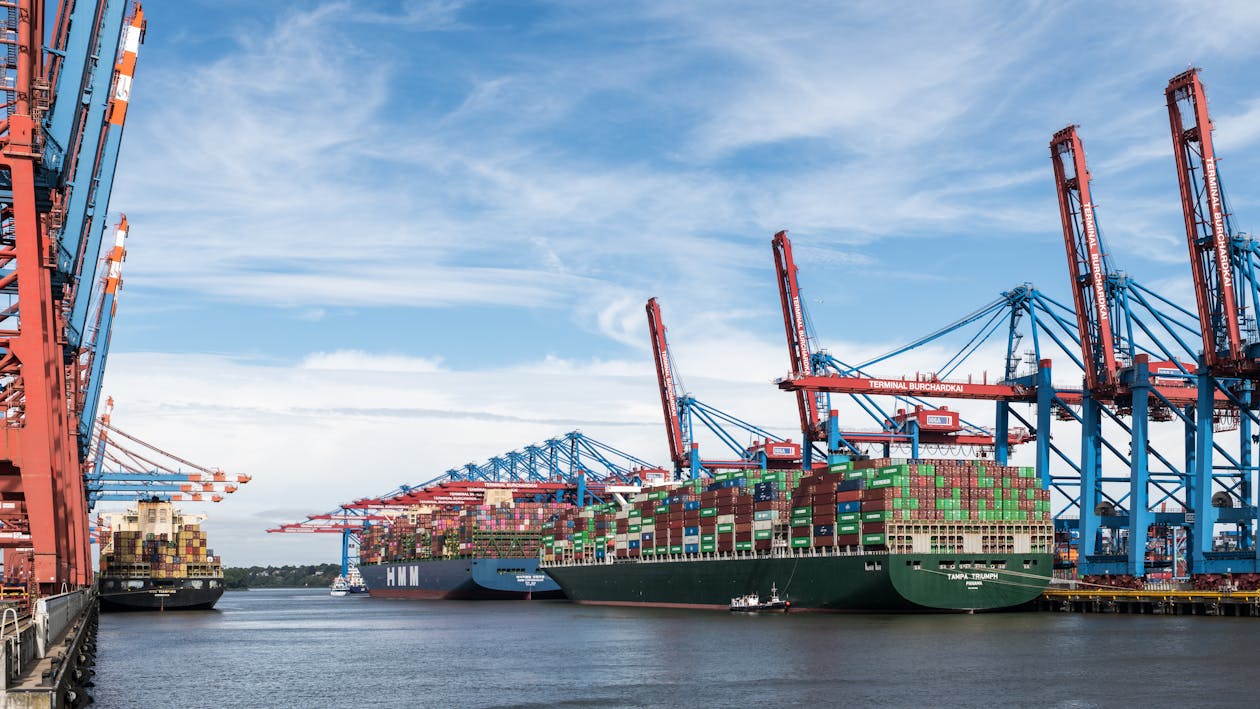
The Importers and Exporters Association of Ghana (IEAG) has rejected claims by the Board Chairman of the Energy Commission, Prof. John Garchie Gatsi, suggesting that Ghana’s ports are being used to import substandard electrical cables.
In a statement, IEAG expressed concern over the assertion, saying it does not reflect the “stringent regulatory controls and operational safeguards” governing electrical imports at the country’s ports.
“Ghana operates a comprehensive import control regime under which electrical products arriving through the ports are cleared into approved customs bonded warehouses or designated holding facilities pending inspection, testing, and certification,” the statement read. “Consignments remain under customs control until conformity assessment procedures are completed and statutory approvals granted. This framework is one of the most effective mechanisms for preventing the circulation of substandard cables through formal channels.”
The association acknowledged the serious risks posed by inferior cables, including fire outbreaks, infrastructure damage, and threats to public safety. However, IEAG noted that most substandard products enter the domestic market through unapproved routes and porous land borders, bypassing formal inspection and duty payment.
The association also called for closer collaboration between the Energy Commission, the Customs Division, and the Ghana Ports and Harbours Authority to enhance monitoring at bonded warehouses. IEAG urged stricter compliance monitoring, improved cargo tracking, and enforcement to prevent the release of uncertified consignments.
“Operational improvements over recent years, including enhanced inspections, risk profiling, and inter-agency coordination, have already reduced the incidence of non-compliant electrical cables at ports,” the statement said. “Any proposal to review existing policies should focus on strengthening and optimizing current systems, rather than creating perceptions that ports are the source of substandard imports.”
IEAG concluded by emphasizing its commitment to working with regulators and stakeholders to protect lives, safeguard government revenue, and promote responsible trade practices.