Ghana has officially concluded its Extended Credit Facility (ECF) programme with the International Monetary Fund (IMF), marking a significant milestone in the country’s economic stabilization efforts.
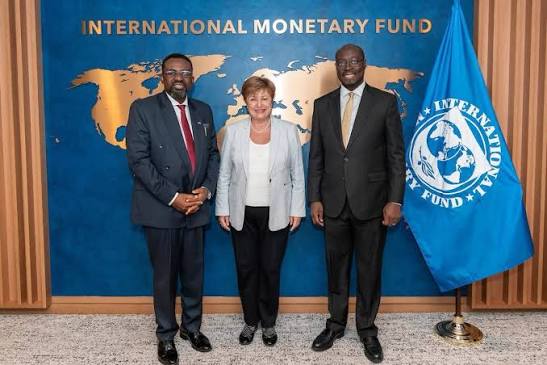
An IMF team led by Ruben Atoyan, after conducting a mission from April 29 to May 15, 2026, confirmed that Ghana has made substantial progress in macroeconomic stability, including a sharp decline in inflation, strengthened fiscal performance, and improved debt sustainability. These achievements have paved the way for Ghana’s transition to a new non-financing 36-month Policy Coordination Instrument (PCI).
The IMF noted that Ghana’s reform programme contributed to enhanced confidence in the cedi, better external buffers, and a primary fiscal surplus that exceeded targets in 2025. Debt ratios have declined amid stronger economic growth and robust gold export earnings. Progress in debt restructuring under the G20 Common Framework was also highlighted, with agreements reached with about half of Ghana’s official bilateral creditors.
While most quantitative targets were met, some structural reforms experienced delays. The transition to the PCI framework will focus on sustaining fiscal adjustment, debt sustainability, governance improvements, and reinforcing monetary and exchange rate policies.
The IMF emphasized the creation of fiscal space for development, youth employment, and social investment, contingent on strict reform implementation, especially in public financial management and oversight of state-owned enterprises. However, it cautioned about ongoing external risks due to global uncertainties and geopolitical tensions.
The Fund also urged continued efforts in bank recapitalization, addressing non-performing loans, and reforms in the energy and cocoa sectors to ensure long-term sustainability. Strengthening anti-corruption measures through transparency was also recommended.
IMF’s Ruben Atoyan commended Ghana’s resilience, stating that maintaining prudent macroeconomic policies and accelerating reforms would be key to sustaining stability and boosting private-sector-led growth.
This transition marks a new chapter for Ghana’s economic policy, moving from crisis stabilization to a consolidation phase aimed at inclusive growth and sustainable development.